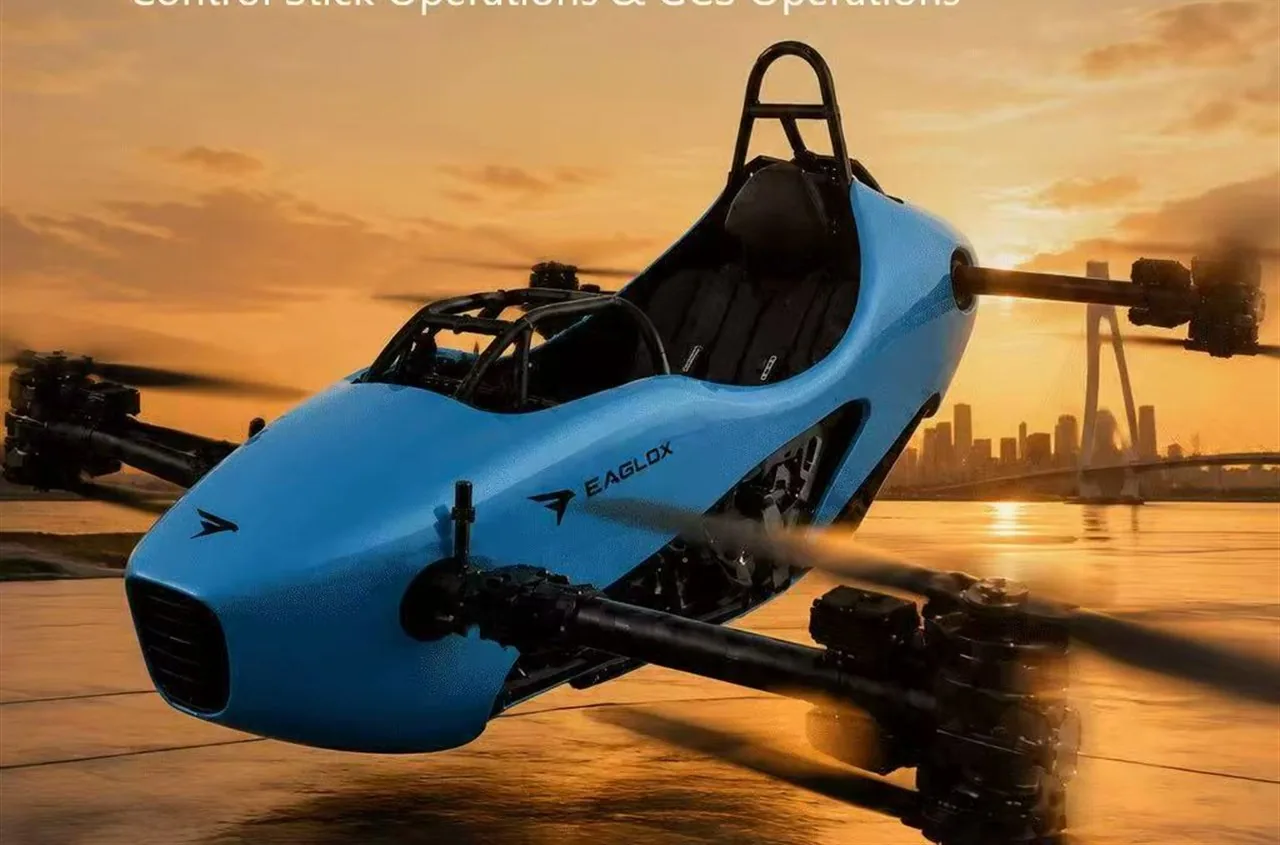
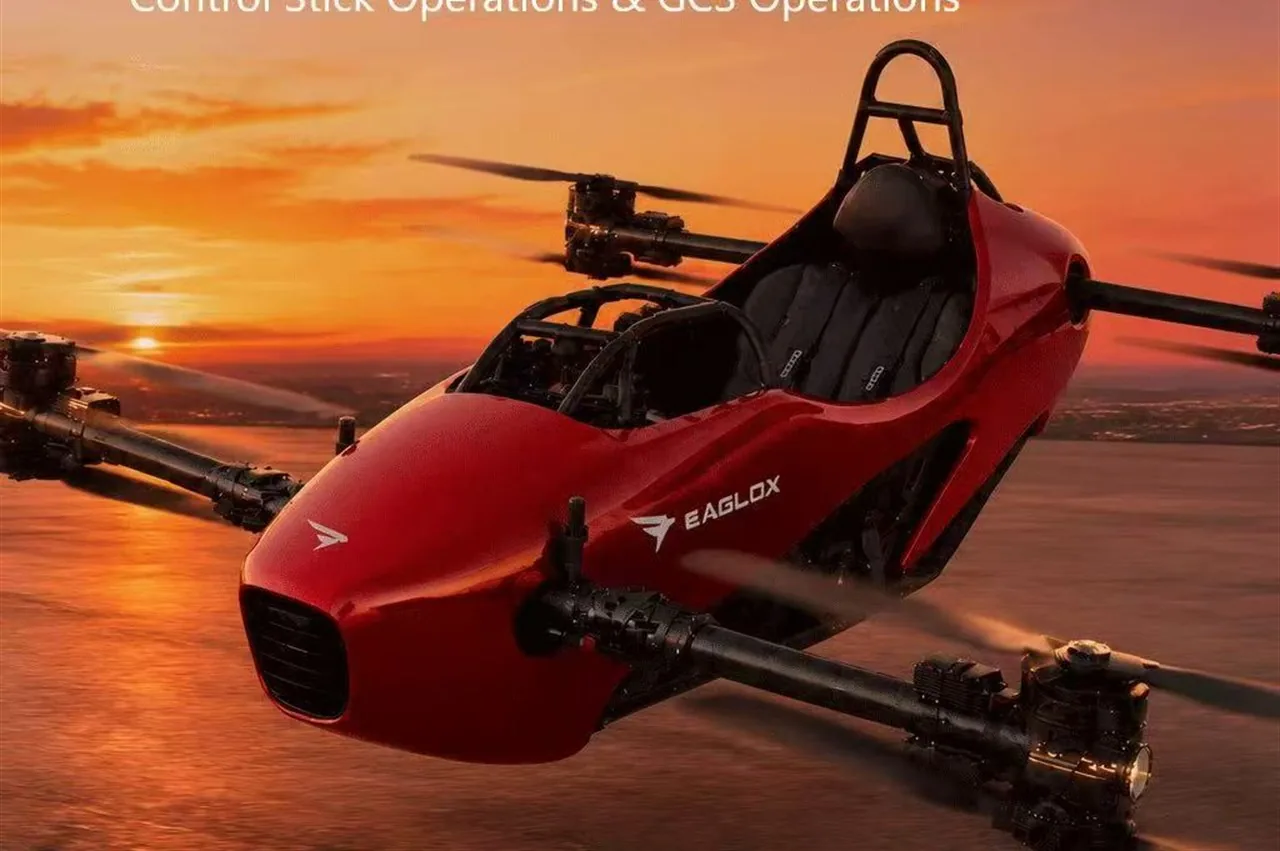
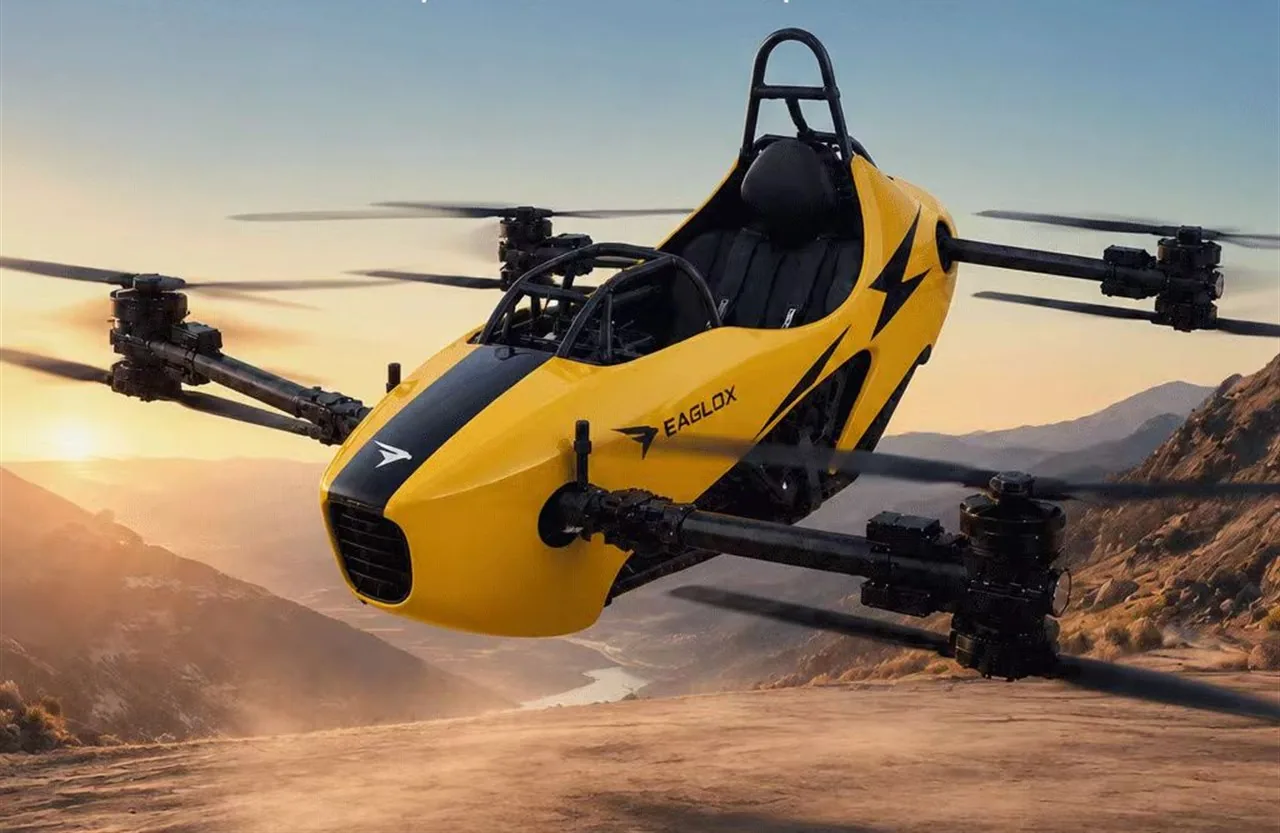
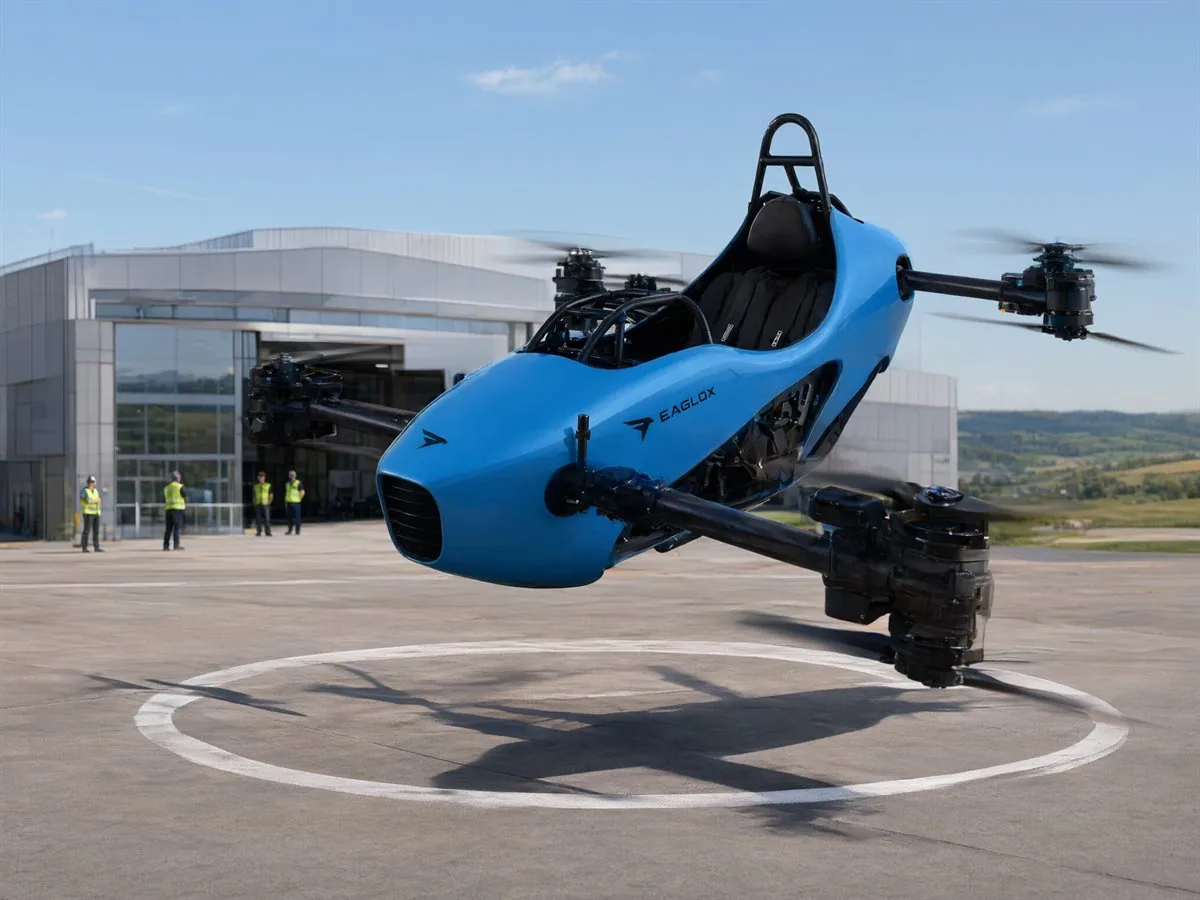
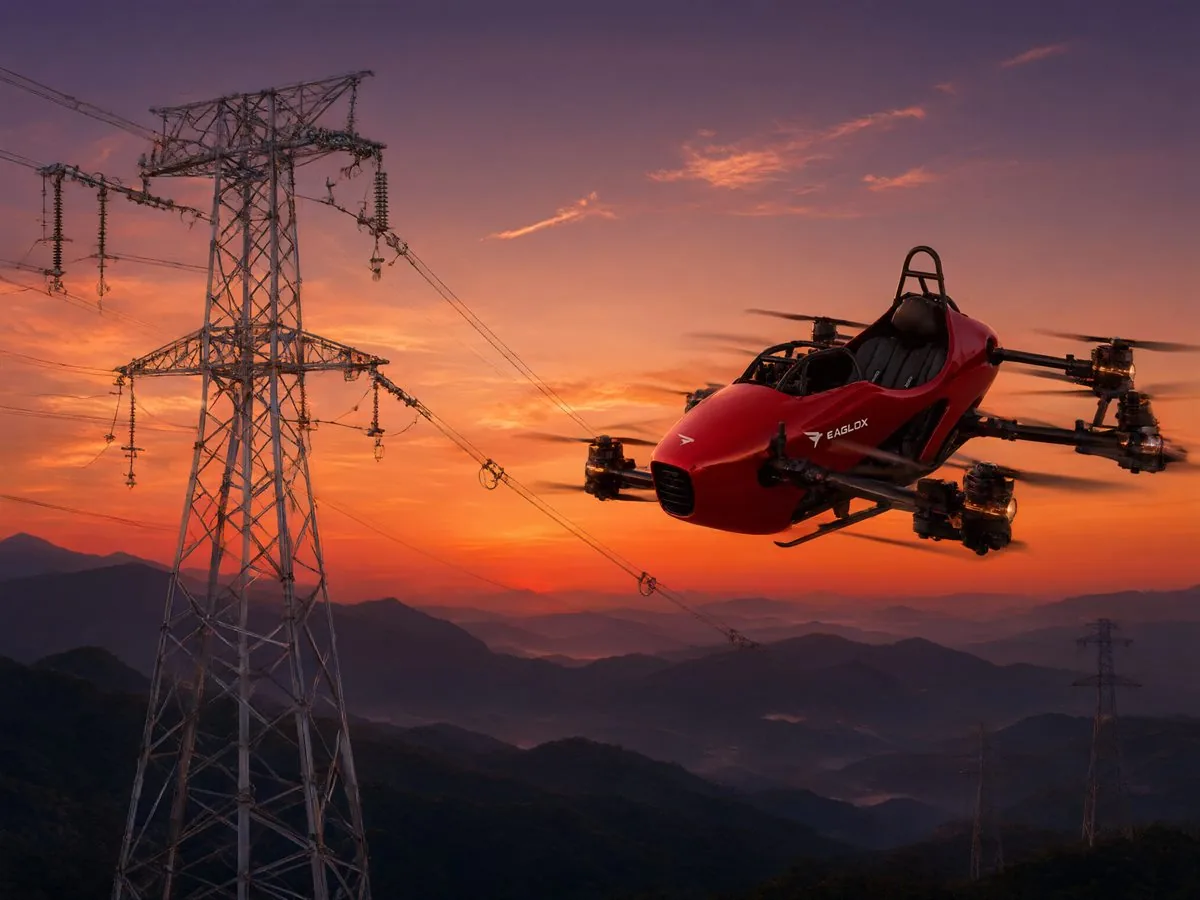
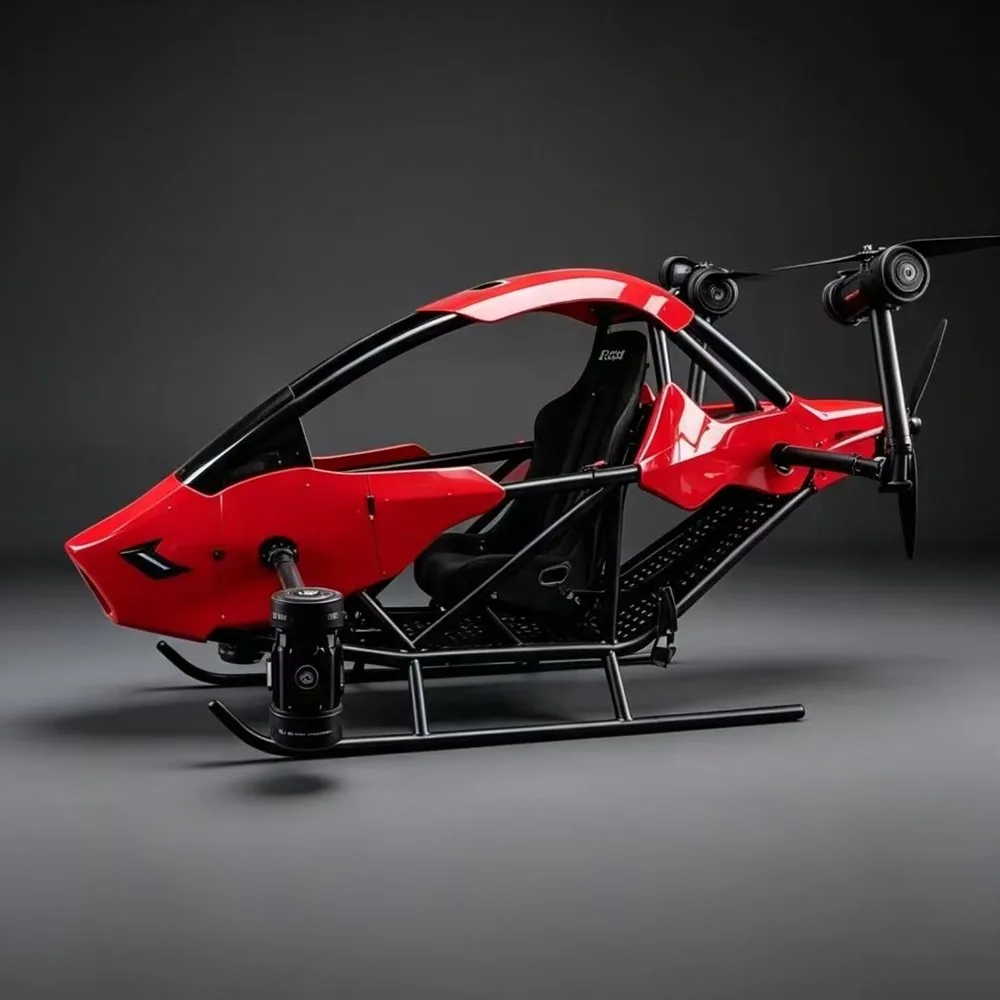
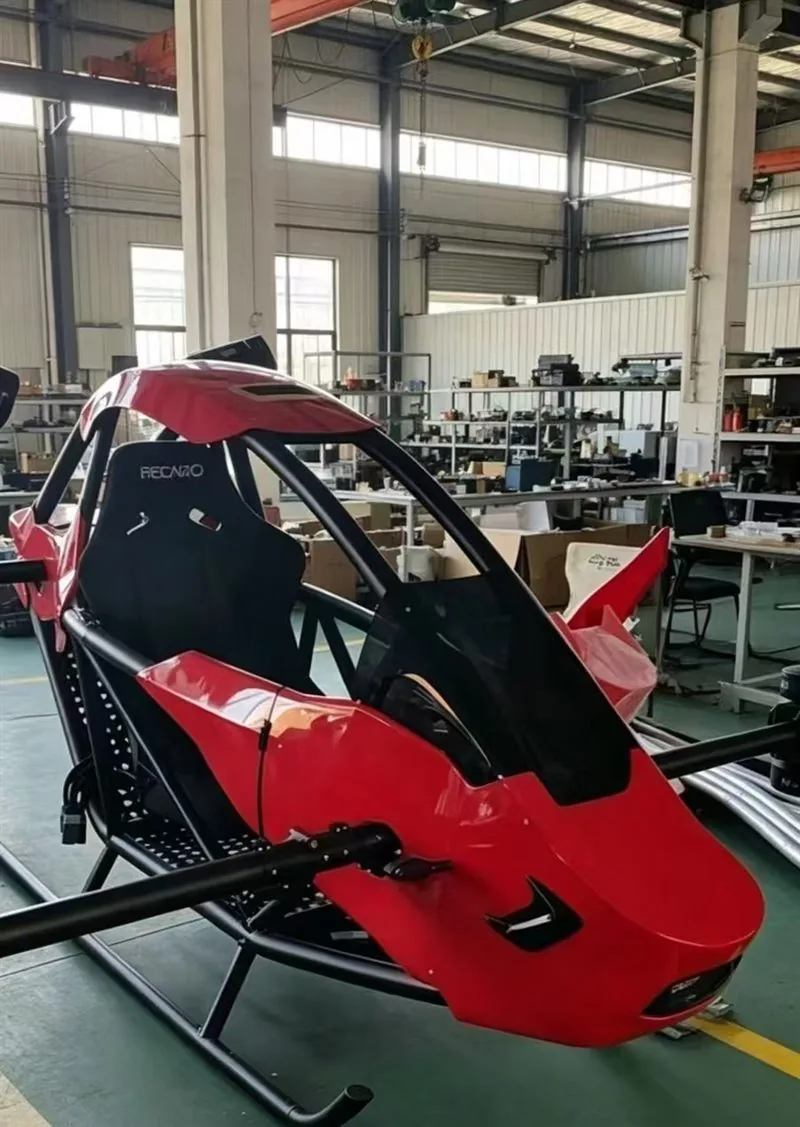
Production-ready manned eVTOL built for flight schools, utility inspection teams and private operators. No runway, no emissions, 2-minute battery swap.
All X7 models share the same carbon fiber fuselage, six-rotor layout and GCS ground control station — choose the payload and endurance that fit your mission.
Entry-level single-seater built for flight schools and recreational pilots. The lightest airframe in the range and the most cost-effective way to start vertical flight training.
High-payload variant for utility and infrastructure inspection. Carries LiDAR, thermal cameras and multi-sensor pods while holding a stable hover.
Long-endurance configuration for patrol, pipeline survey and regional shuttle work. The largest battery pack in the series without losing payload capacity.
Four hardware decisions do most of the work on a commercial airframe. These are ours, and why they matter.
Swap packs between flights instead of waiting to recharge. Keeps training aircraft and inspection missions flying all day.
Distributed electric propulsion with independent motors. Flight controller compensates automatically if a single rotor loses thrust.
GPS and BeiDou receivers provide position accuracy and hold in contaminated or obstructed signal environments.
The arms fold so the aircraft fits inside a standard commercial van — no specialist trailer, no hangar. The single-piece carbon structure keeps empty weight low while surviving the hard landings a training aircraft actually sees.
Every flight logs altitude, speed, attitude and battery status — a black box for post-lesson debrief, maintenance trend analysis and regulator documentation.
Commercial invoice, packing list, factory test report and UN38.3 battery transport documents ship in the crate with every aircraft.
Flight schools and utility inspection crews are the two groups already flying the X7 commercially.

A helicopter trainer costs several hundred dollars an hour to run. The X7 SE flies at a fraction of that, and a two-minute battery swap puts the next student in the air before the rotors stop turning.

Crews walking a right-of-way photograph one tower at a time. An inspector in an X7 PLUS holds position beside the span and clears six structures before the battery timer runs down.
The same airframe and control system, differentiated by payload and endurance.
| Specification | X7 SE | X7 PLUS | X7 MAX |
|---|---|---|---|
| Best for | Flight training | Inspection | Patrol & shuttle |
| Voyage range | 22 mi | 22 mi | 37 mi |
| Cruise time | 30 min | 30 min | 50 min |
| Max load capacity | 198.4 lbs | 264.6 lbs | 264.6 lbs |
| Unloaded weight | 242.5 lbs | 242.5 lbs | 242.5 lbs |
| Dimensions | 90.6 × 47.2 × 28.3 in | ||
| Flight altitude | < 1,640 ft · GPS + BDS | ||
| Battery swap | 2 minutes | ||
| Fuselage | Integrated carbon fiber, foldable arms | ||
| Control | Control stick & GCS operations | ||
Long-form articles on what to check before you import a manned eVTOL, how the battery workflow shapes your flying day, and how to compare three models side by side.

Definitions, performance boundaries, real-world use cases and the hardware features that decide daily operating cost.

Payload, endurance, battery workflow, transportability, navigation, compliance and manufacturer support — in that order.

How many sorties each workflow unlocks in a working day, and what to specify before you order a spare pack.

HS classification, UN38.3 battery freight, incoterms and the documents waiting for you at the port.
The X7 SE is designed to meet the weight and speed limits of FAA Part 103 in the United States, which allows recreational flight without a pilot licence. Commercial training or inspection work requires certification under your national aviation authority — we supply the technical documentation you need for that process.
X7 SE and X7 PLUS fly for 30 minutes, X7 MAX up to 50 minutes. Battery packs are swappable in about two minutes, so a single aircraft can run several sorties per day without waiting on a charger.
Yes. We export to flight schools, inspection companies and distributors across North America, Europe, the Middle East, Southeast Asia and Latin America. Each order ships with commercial invoice, packing list, factory test report and UN38.3 battery transport documents.
Standard lead time is 30 to 45 days after deposit. Bulk orders, custom colours and sensor integration require additional consultation.
Yes. The carbon-fiber arms fold so the aircraft fits inside a standard commercial van, removing the need for a specialist trailer or a large hangar. Folded dimensions are shared with the quotation pack so you can check it against your own transport.
Tell us your country, mission profile and required payload. We reply within 24 hours with pricing, lead time and export documents.