What a manned eVTOL actually does in the field
The X7 is a working aircraft, not a concept. These are the five mission profiles operators run with it today — and the model we recommend for each one.
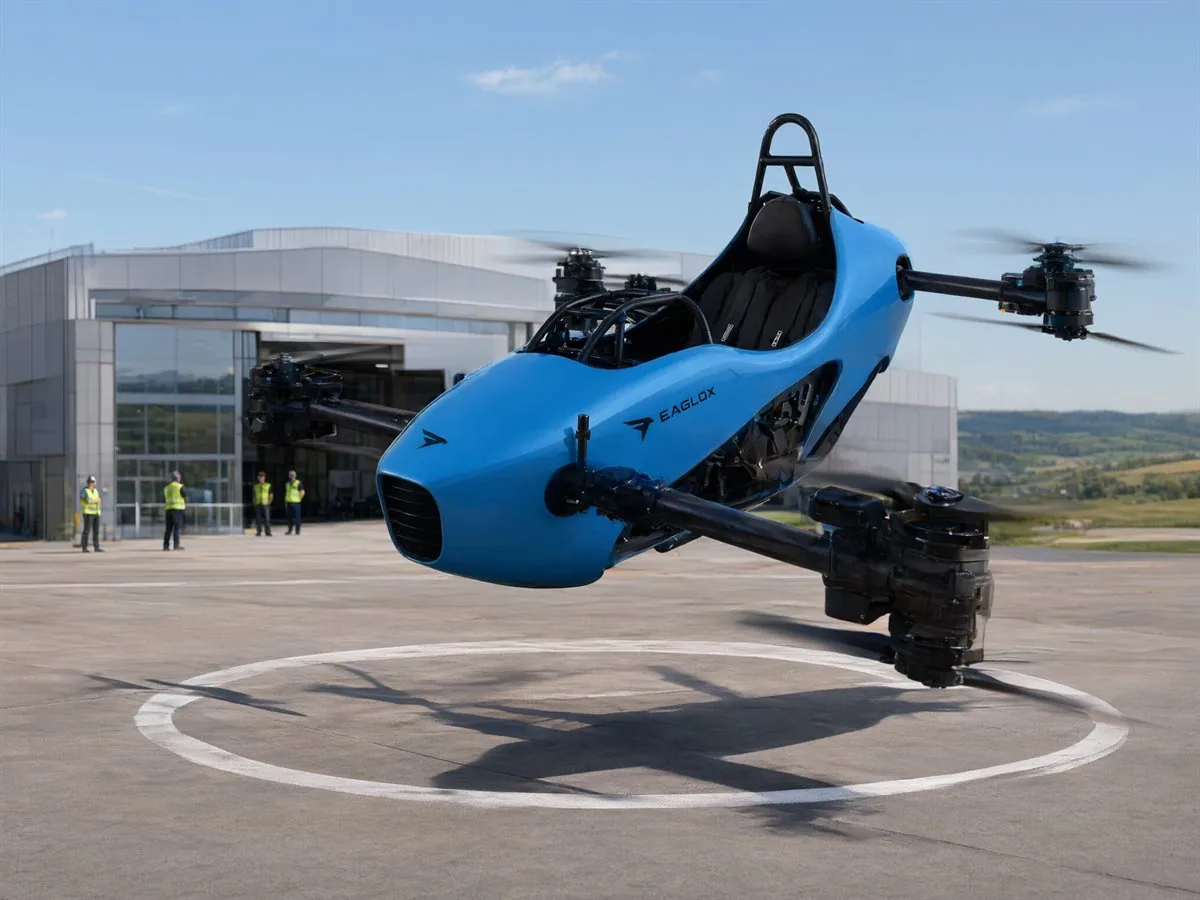
Flight training
A helicopter trainer costs several hundred dollars an hour to operate. The X7 SE flies at a fraction of that, and a 2-minute battery swap puts a student back in the air before the rotor discs stop turning.
Instructors use it for hover hold, transition to forward flight, and precision landing — the three skills that dominate early fixed-wing and rotor transitions. Flight data recording is standard, so every lesson produces a debriefable trace.
- Ab-initio hover and transition training
- Precision landing and emergency procedure drills
- Flight data recorder for post-lesson debrief
- 2-minute battery swap keeps utilization high
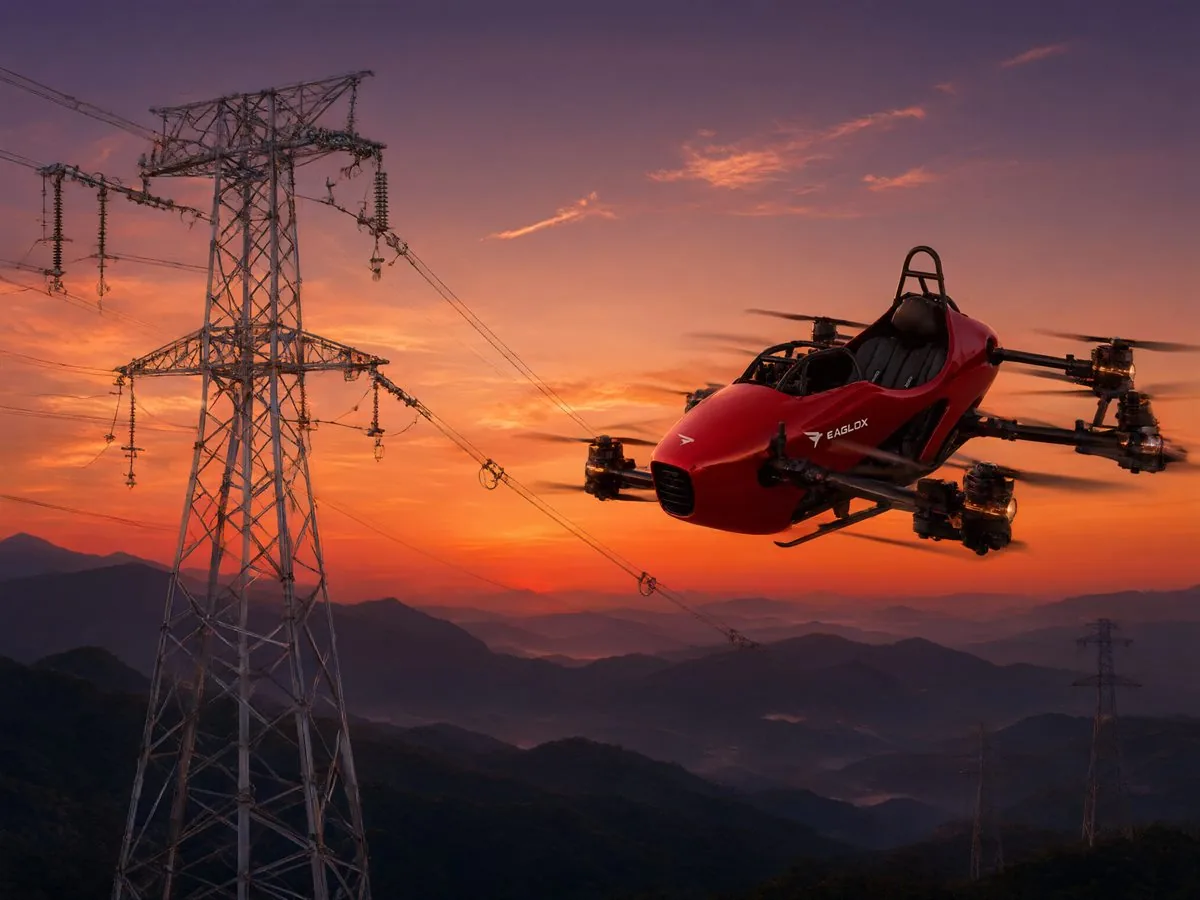
Power line & pipeline inspection
Utility crews spend hours walking or driving to a tower to photograph a single insulator. A pilot in an X7 PLUS hovers beside the span, holds position in the wind, and clears six structures before the battery timer runs down.
The 264.6 lbs payload ceiling leaves room for LiDAR, thermal cameras, and a gimballed high-resolution sensor pod. RT route support lets the ground control station push waypoints as the inspection list changes.
- Stable hover beside live transmission lines
- LiDAR, thermal and RGB sensor packages
- GCS operation for one-person missions
- Removes scaffolding, rope work and line closures
Border & coastal patrol
A ground patrol covers perhaps 20 miles of coastline in a shift. The X7 MAX covers 37 miles in fifty minutes, with a pilot who can look down through the canopy instead of at a screen.
It flies below 1,640 ft, keeps a real-time route trace on the ground station, and returns to a battery swap rather than a fuel truck. For agencies already flying drones, adding a manned airframe removes the latency of looking through a camera feed.
- 37 mi range, 50 min cruise per charge
- Sub-1,640 ft operating band
- GPS + BDS dual navigation
- Real-time route logging on the GCS
Search & rescue
In a flood, fire or avalanche response, the first hour decides the outcome. The X7 launches from a trailer, needs no runway, and puts a human eye directly over the search box instead of a low-resolution downlink.
The integrated carbon fiber fuselage keeps the airframe light enough for two people to reposition on the ground, and the 2-minute battery swap supports continuous sorties while a ground team works the same grid.
- Vertical launch from unprepared ground
- Direct visual search — no camera latency
- Continuous sorties via battery rotation
- Carries thermal or medical payload
Short regional shuttle
Island-to-mainland runs, plant-to-plant transfers, and site visits separated by a river all share the same problem: the drive is longer than the meeting. The X7 MAX turns a two-hour circuit into a twenty-minute out-and-back.
It is not an air taxi for passengers — it is a single-seat utility transport for a technician, a surveyor or an inspector who needs to be somewhere the road network refuses to go efficiently.
- Point-to-point without a runway
- 37 mi practical range, 30 mi return margin
- Carries tools, samples or a survey kit
- No aviation fuel, no ground crew