Ultralight Manned eVTOL Overview: What Buyers Should Know
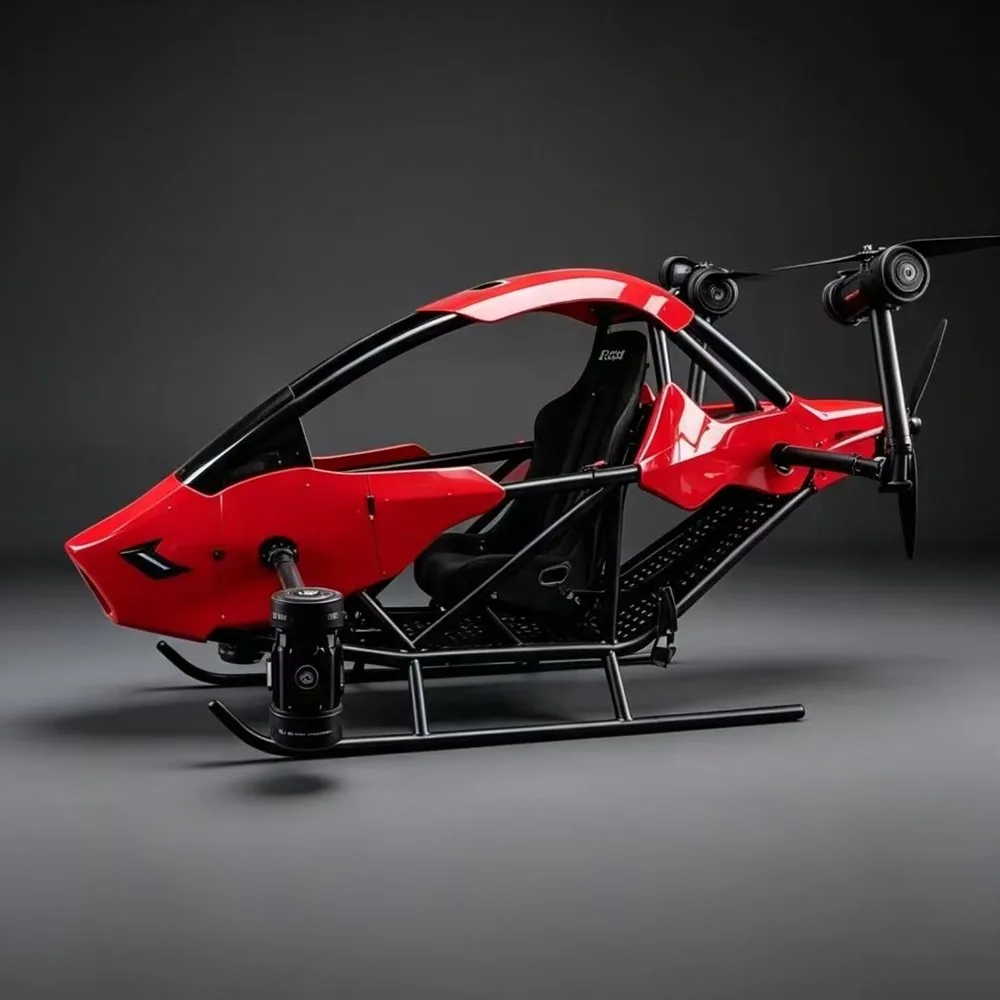
The rapid growth of low-altitude mobility has brought ultralight manned eVTOL aircraft from concept drawings into real-world commercial operations. More industrial operators, flight-training institutions and service contractors are evaluating single-seat electric vertical takeoff and landing platforms for field missions. Before placing an order, buyers need to understand what defines an ultralight manned eVTOL, typical performance boundaries, mainstream use cases, and the hardware features that affect daily operating cost and safety.
What Is an Ultralight Manned eVTOL?
Unlike large multi-passenger air-taxi eVTOL prototypes targeting urban transportation networks, an ultralight manned eVTOL focuses on single-occupant missions. These aircraft are built for vertical takeoff and landing without runways, with fully electric powertrains, compact airframe weight and simplified ground-support requirements.
Most models fall within strict weight limits for ultralight categories. Empty weight, maximum payload and flight-ceiling constraints directly decide which regions and scenarios you can deploy them in. For example, many commercial ultralight eVTOL platforms limit operational altitude below 500 metres (1,640 ft), and are designed for low-altitude inspection, short-range patrol and training flight rather than long-distance cross-country travel.
Common Real-World Use Cases for Single-Seat Manned eVTOL
Buyers come from different industries, and mission requirements shape every purchasing decision. The most common practical applications are:
1. Flight Training
An entry-level manned eVTOL serves as a cost-effective training platform for vertical-flight pilot education. Compared with traditional helicopters, electric ultralight eVTOL cuts hourly operating expenses significantly. Simpler operation workflows make it suitable for beginner pilot familiarisation with vertical takeoff, hover and landing procedures. See the X7 SE single-seat training eVTOL for how this looks as a configured aircraft.
2. Industrial & Infrastructure Inspection
Power-line patrol, pipeline survey, forestry monitoring and large-site security inspection are fast-growing application areas. A pilot sitting on board can observe details that drone cameras may miss, while completing routes faster than ground-based inspection teams. Higher-payload variants can also carry auxiliary sensing equipment for field work — the X7 PLUS inspection airframe is built around that requirement.
3. Short-Range Patrol & Light Shuttle Tasks
For remote-area site security or quick relocation of on-site staff within a limited radius, an ultralight manned eVTOL offers flexible deployment without heliport infrastructure. The X7 MAX long-range configuration extends endurance to 50 minutes for these longer circuits.
4. Personal Recreational Flight
Ultralight eVTOL also targets private recreational flight for qualified operators, subject to local aviation regulatory requirements.
Must-Have Hardware Features for Industrial-Grade Ultralight eVTOL
Not all single-seat eVTOLs are built equally. When comparing factory-manufactured platforms, focus on the engineering features that reduce downtime and improve operational reliability.
Hot-Swap Battery Capability
Battery charging downtime is one of the biggest pain points for electric aircraft in commercial shifts. A well-designed hot-swap lithium battery base allows operators to finish battery replacement within around two minutes. Instead of waiting hours for charging, crews can swap packs and resume successive missions, greatly improving daily sortie volume. We cover the arithmetic — and when onboard charging is the better buy — in the eVTOL battery swap guide.
Foldable High-Strength Carbon-Fiber Airframe
Transportation difficulty restricts many eVTOL deployments. Foldable carbon-fiber arms enable the whole aircraft to fit into a standard commercial van. You no longer need specialised trailers or large hangar space for transit and storage. Carbon-fiber material balances light empty weight with structural strength for repeated field use.
Dual-Satellite Navigation System (GPS + BDS)
Industrial-grade manned eVTOL should be equipped with dual-satellite positioning modules. Dual navigation enhances positioning stability under complex terrain, reduces signal-loss risks, and supports pre-programmed route planning for inspection or patrol routes.
Built-In Flight-Data Recorder (Black Box)
A built-in flight-data logger records altitude, flight speed, aircraft attitude and battery status throughout the flight. For commercial buyers, this black-box function supports post-flight maintenance checks, incident review and compliance documentation for local aviation authorities.
Key Performance Metrics Buyers Need to Compare
When reviewing datasheets, do not look only at marketing range figures. Always compare these core parameters side by side:
- Max payload capacity — decides pilot weight plus additional onboard equipment load.
- Realistic full-load cruise time — not ideal lab-condition flight time.
- Max operational flight altitude limit.
- Empty aircraft weight — affects transport, handling and local ultralight-category compliance.
- Battery-swap or charging workflow.
For example, entry-level training-focused models may deliver around 30-minute flight time, while extended-range versions can reach 50-minute endurance for longer patrol assignments. Payload options vary from approximately 90 kg up to 120 kg on upgraded variants.
Regulatory Reminders Before Purchase
Ultralight manned eVTOL regulations differ dramatically from country to country. Some markets allow ultralight-category operation under specific constraints, while other territories require special permits or pilot certification. Start with the definitions published by your own authority — the US Federal Aviation Administration for Part 103, or the European Union Aviation Safety Agency for the European framework. Our eVTOL certification guide walks through the main markets in more detail.
As a buyer, you should confirm:
- Local aviation authority requirements for manned electric VTOL operations.
- Whether pilot training or certification is mandatory.
- Site limitations for takeoff and landing zones.
- Insurance availability for manned eVTOL aircraft.
Manufacturer specifications can tell you aircraft performance, yet it remains the operator's responsibility to follow regional aviation law.
Final Thoughts
Ultralight manned eVTOL opens new possibilities for low-altitude work, but successful deployment depends on matching hardware performance to your real-world mission, rather than chasing maximum theoretical specs. The next step is usually a side-by-side comparison — our seven-factor buying guide covers payload, endurance, battery workflow and after-sales support in that order.
Want full datasheets for the X7 SE, X7 PLUS and X7 MAX?
Send your country and mission profile and we will reply with specifications, export documentation and factory-direct pricing.